CONTACT US
 NEWSLETTER SIGN UP
‘It’s woven into the nation’s psyche’
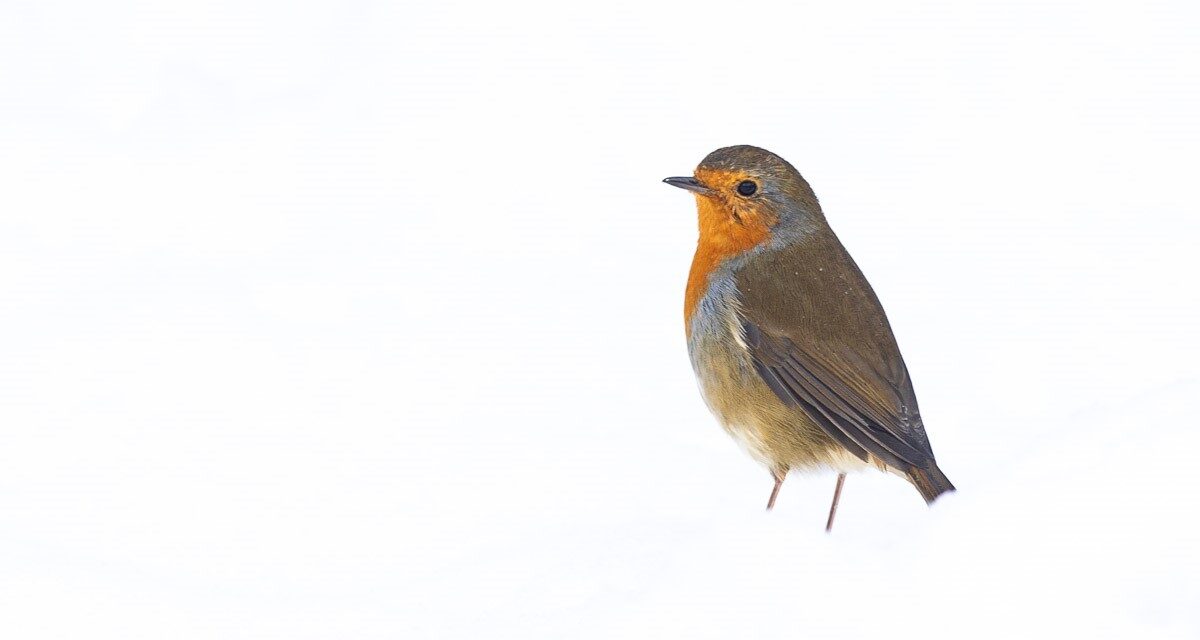
In 2015, our European robin was voted Britain’s national bird and, it was said at the time, is a bird which is ‘woven into the nation’s psyche’. It’s definitely the most recognisable. With its bright orange breast it is known to just about everyone, young and old and, with around 6.7 million birds in the UK alone, there’s going to be one in your backyard! But why do we call it ‘Robin red breast’ when its colour is clearly orange? Well, apparently, there’s a simple answer. Until the 16th century, we didn’t have the word ‘orange’ in our vocabulary. It was when oranges were routinely imported into the UK that the colour orange came into use. Before that, the nearest colour was a derivation of the Latin ‘ruber’ meaning red. Hence, Robin red breast.
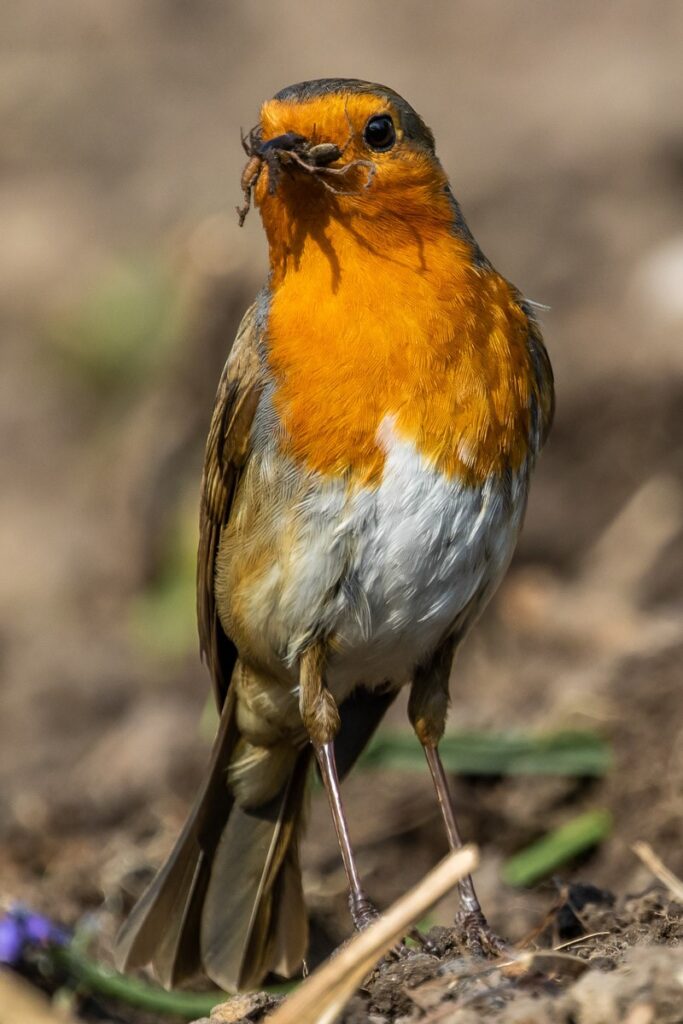 When so many birds migrate to escape the UK winter, the robin, generally, remains in its territory. Only the female is likely to move a few miles away from its breeding ground in search of easier food sources. But how does a little bird like the robin survive the winter? Well, they’re pretty flexible feeders. When insects are no longer plentiful, they’ll eat berries and seeds but freezing ground can have a devastating effect on their chances. Their fat reserves will last a couple of days, after which they are in danger of starving. They’re also in danger from predators. It is estimated that 70% of young birds die in their first year due to predation by hunters such as sparrowhawks and, particularly, domestic cats. So, their life expectancy is, on average, 1.1years.
If they survive the first year, they become more worldly-wise and their chances of surviving for 2-5 years are much better. The oldest recorded robin was 19!
Which brings me to what we can do to help this iconic little bird as winter approaches. Interestingly, robins like to follow our pattern of eating – breakfast, lunch and tea. Like most small birds, they’re up at the crack of dawn looking for something to eat. They are natural ground feeders so we can help by putting out food on a tray or a bird table regularly during the day – mixed seeds, sunflower hearts, raisins, soaked meal worms, crushed peanuts and suet will all go down well. Even leftovers such as grated cheese and bits of cake will be snaffled up, but not bread which just fills them up without providing the right source of nutrients and energy reserves. A bird table with a roof will prevent the pigeons from stealing it all. And don’t forget to give them some clean water for drinking and bathing.
It may be 7 years since it was voted Britain’s national bird but I can imagine it will always be Britain’s favourite bird. When we’re tucked up in front of the fire this winter, let’s at least give a thought to the little robin and its feathered friends in our gardens and make sure they have the best chance of making it through to spring.
Ray Brown
www.raybrownwildlifephotography.com